


SoS Solutions
Explore our solutions designed to exceed your cybersecurity education & awareness requirements.
Stickley on Security was founded in 2007 with a plan to provide organizations with meaningful education and awareness solutions that employees and customers would actually embrace. As our founder Jim Stickley points out, it is simple to offer a training course but far more difficult to actually educate the participants. Our goal is to ensure that your customers and employees not only learn about cybersecurity risks, but that they can apply what they learn into their everyday lives and jobs.
Explore our solutions designed to exceed your cybersecurity education & awareness requirements.
Powered Cybersecurity Training. (PCT) is designed to help solve the challenges small and medium-sized businesses face in attempting to deploy and manage cybersecurity education and phishing simulation.
SoS Advisor was designed to address the customer security education and awareness needs of your organization. We understand that the security threats your customers face change daily. That's why SoS provides new content everyday specifically written for your customers.
Spoofed domains lead to employee and customer compromise. Domain Assure Detect and Domain Assure Prevent are two solutions designed to maintain your organizations online integrity and reduce spear-phishing, typosquatting and other online attacks.
Some of the biggest cyber security breaches in US history have started with a malicious email received by an unsuspecting employee. Using his past 25 years of experience breaking into organizations, Stickley has created BadPhish, the definitive next generation phishing simulator and education solution.
Potential new threats against your organization emerge daily. Employee EDU is designed to ensure your staff is prepared. Through our security education and awareness solutions your staff will not only be trained about important security topics but also be made aware and tested on the latest security threats.
Stickley on Security WorkRemote combines practical education and technology to provide a next-generation remote employee cybersecurity solution. Stickley on Security WorkRemote ensures no corporate data resides at the remote location, no corporate data transported, no individual VPN required, and only encrypted pixels are transmitted.
Jim Stickley speaks at hundreds of board meetings nationwide on cybersecurity related topics and can now speak to your board as well. When Stickley speaks to your board, his goal is to keep them aware of the many cybersecurity threats that your organization faces as well as keep them up to date on the latest cybersecurity regulations. Ultimately Stickley gives your board members the critical information they need to make cybersecurity related decisions.
Business executives and their board members face a never-ending challenge of keeping up with the latest cybersecurity security threats. With all of the audits and reports, security budget requests and regulatory requirements, our cyber security experts can help you make sense of it all.


Although it may sound strange, bad actors are exploiting what we see – or what we think we see. Always looking for new ways to gain our confidence, cybercriminals are counting on us being human to make this con work. Trust, fear, and concern are some of the emotions being exploited, which is nothing new for hackers. But what is new is taking advantage of our assumption that when we see a trusted website, it’s worthy of our trust…Well, maybe not so much anymore.
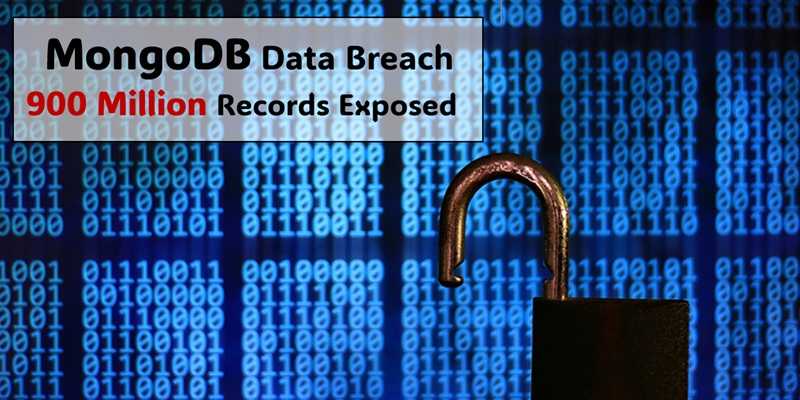
A newly discovered data leak tied to identity verification company IDMerit has exposed an enormous amount of personal information online. Security researchers say the database contained more than a billion sensitive records, including names, addresses, phone numbers, and national identification details. While the database has since been secured, the incident shows how a single misconfigured system can put massive amounts of personal data at risk. If your information was included, scammers and identity thieves could use it for fraud, phishing, or account takeovers. Taking a few steps now can help protect your personal data before criminals try to exploit it.

Imagine waking up to learn your home is no longer your home. No one broke in and held you hostage to get it, no one served you paperwork to get out, but suddenly you discover that the name on the deed to your property is no longer yours and no actual legal transfer took place. No broken windows. No moving trucks in the driveway. However, paperwork appears that says it’s no longer yours. But your home is no longer your home. What may have happened is deed fraud.
